Palouse Falls State Park: A Dramatic Yet Doable Homeschool Field Trip from Walla Walla
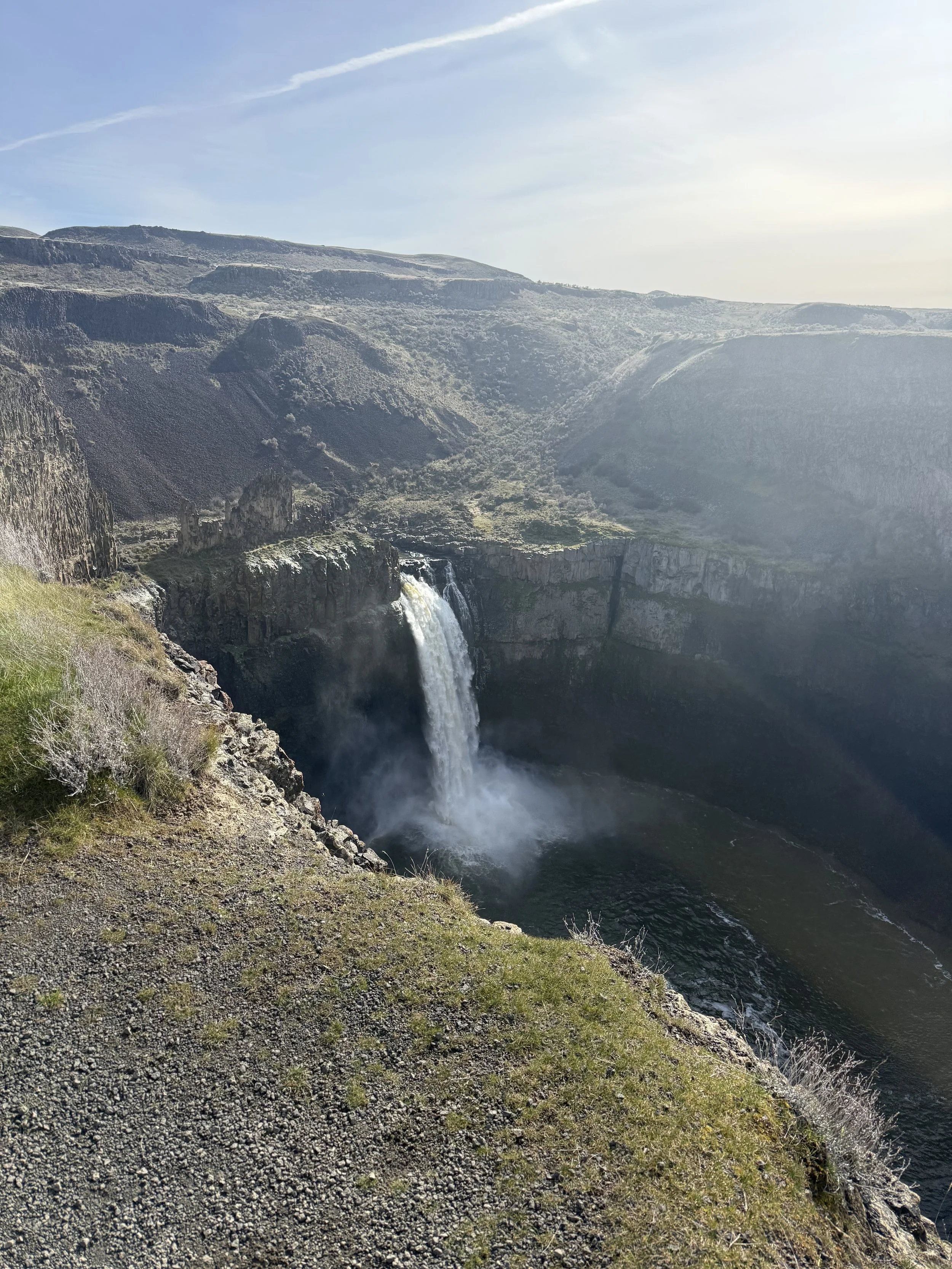
If you have ever driven through Eastern Washington farmland and thought, “This is pretty,” and then suddenly found yourself standing at the edge of something massive and breathtaking, you know the feeling of Palouse Falls.
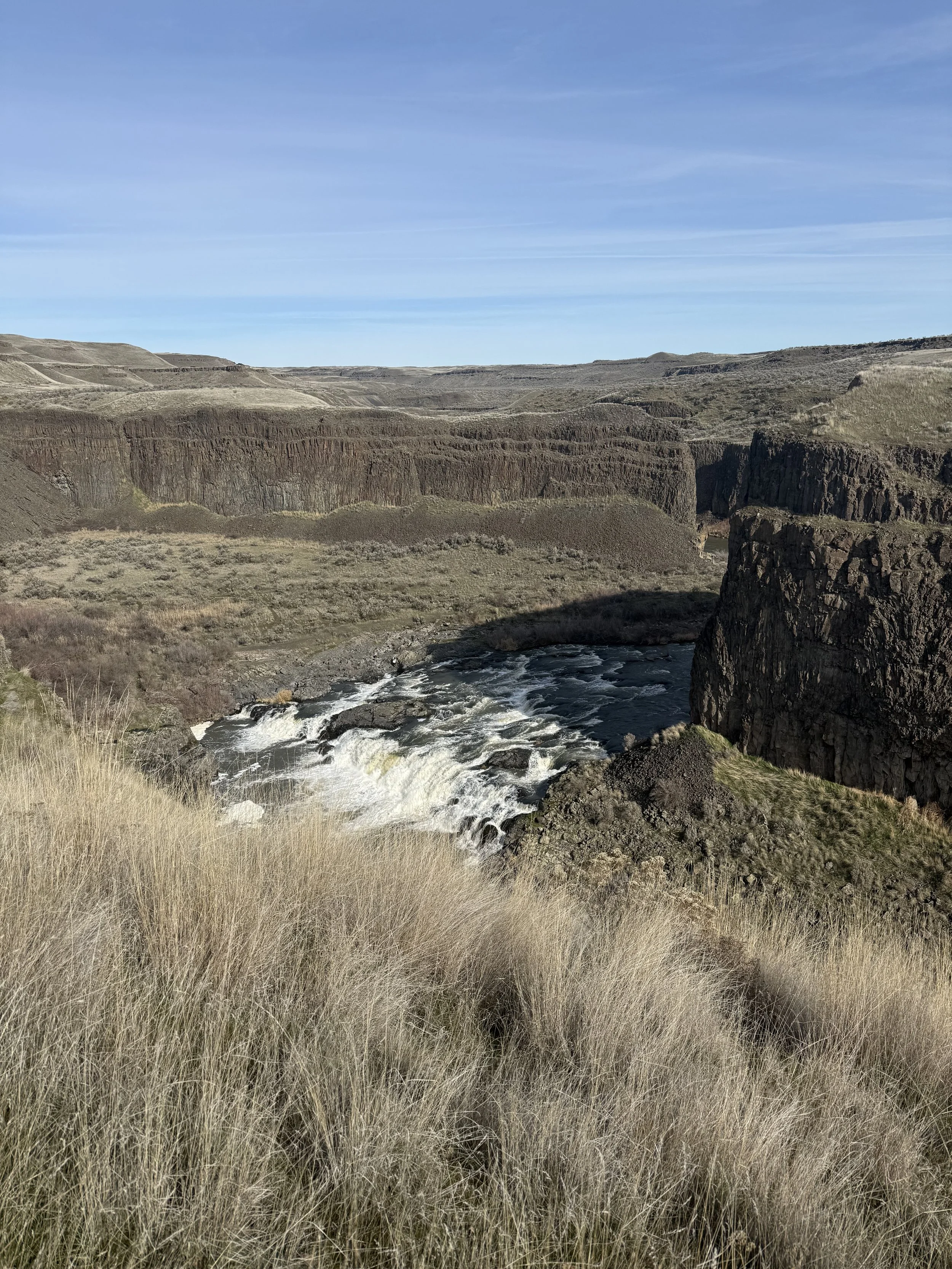
One minute it is rolling fields. The next minute the land drops away into a deep basalt canyon with a 198-foot waterfall pouring into it.
The best part? It is close enough to Walla Walla to make it a very doable homeschool field trip.
If you are looking for more local homeschool field trip ideas in the Walla Walla Valley, visit our Field Trips page for more curated recommendations. And if you are new to homeschooling in Washington state, our Getting Started guide is a great place to begin.
Quick Field Trip Snapshot
Drive time from Walla Walla: about 1.5 hours (estimate)
Time needed on site: 2 to 3 hours
Walking required: short walks to viewpoints
Best for ages: elementary through high school
Parking: Discover Pass required
Before you go, check the current Washington State Parks page for updates, closures, or alerts.
How Far Is It from Walla Walla?
Palouse Falls is about an hour and a half from Walla Walla, depending on your route and stops. Plan a little extra time if you know you will need snack breaks.
The drive is peaceful and open. Wide skies. Rolling farmland. It is a good time for conversation, audiobooks, or just letting the kids look out the window.
If you are going during warmer months, earlier in the morning or later in the afternoon will be more comfortable and often less windy.
What to Expect When You Arrive
Palouse Falls is not a long hiking destination. It is more of a “park, walk a short distance, and take it all in” kind of place.
Here is a simple way to structure your visit:
Walk to the main viewpoint and let everyone just look quietly for a minute.
Visit additional marked viewpoints if your family is comfortable.
Find a picnic spot and enjoy lunch with a canyon view.
Bring binoculars if you have them. Older kids especially enjoy spotting layers in the rock walls and watching the river below.
Safety Notes
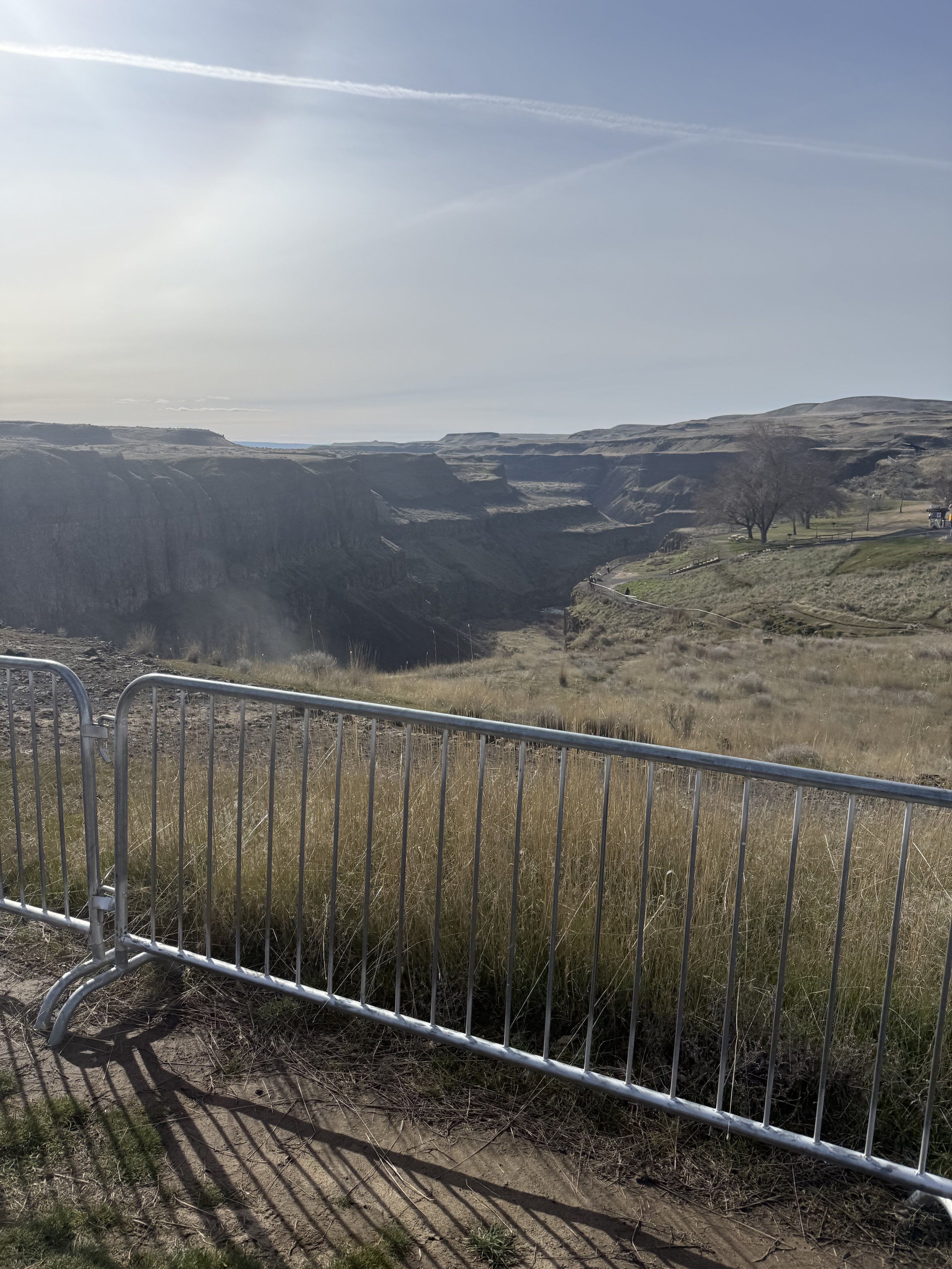
This landscape is beautiful, but it is serious.
Cliffs are steep and dangerous.
Stay on marked trails.
Keep younger children within arm’s reach near edges.
Wind can be strong.
Set clear boundaries before anyone walks toward viewpoints.
A simple family rule like “No one steps past this line” can make a big difference.
Bathrooms and Accessibility
There are vault toilets at the park.
For the most current information about restroom access, trail conditions, parking details, and accessibility, check the Washington State Parks page before your trip.
Terrain near viewpoints can be uneven, so strollers may be difficult on some paths.
Budget Tips for Visiting Palouse Falls
Homeschool field trips do not have to be expensive.
Discover Pass
Palouse Falls is a Washington State Park, which means you will need a Discover Pass to park. If you already have one for other state parks, bring it along.
If you do not have one, check with your local library. Many libraries allow families to check out a Discover Pass for free. Availability varies, so call ahead or look online to see how it works at your branch. (Walla Walla City Library Link , Walla Walla County Rural Library Network Link, Columbia County Link and Waitsburg Library)
For current pass requirements or changes, check the official Washington State Parks page before you go.
Pack a Picnic
There are picnic areas, and the view is better than most restaurants. Bring sandwiches, fruit, and plenty of water.
Carpool with Another Family
Sharing the drive makes it more fun and helps save on gas.
The Geology in Plain English
When you stand at Palouse Falls, you are looking at layers of history written in rock.
The dark rock in the canyon walls is called basalt. Basalt forms when lava cools and hardens. At one point in the past, lava spread across this region and cooled into thick layers of rock.
Later, large volumes of moving water cut through that hardened rock. The wearing away of land by water is called erosion. Over time, the river carved a deep canyon into those layers.
Many geologists describe large-scale flooding events in this region, often referred to as the Missoula Floods, which dramatically shaped parts of Eastern Washington. These powerful water events helped carve the wide canyon and the bowl-shaped rock wall surrounding the waterfall.
Today, the Palouse River continues flowing through the canyon, and water still shapes the land in visible ways.
Whatever perspective families hold about the timing of these events, the observable features of the landscape make for rich conversations about how water and rock interact.
Easy Homeschool Learning Tie-Ins
You do not need a complicated lesson plan.
Observation Prompts
What colors do you see in the rock layers?
Do the layers look thick or thin?
Where do you see signs that water shaped this land?
Vocabulary to Introduce
Basalt
Lava
Erosion
Canyon
Flood
River
Sketching Assignment
Have each child sketch:
The waterfall
The shape of the canyon
The rock layers
Older students can label what they see.
Narration Questions
What do you think happened here?
How did water change this land?
Why do you think the rocks look layered?
Simple At-Home Demonstration
Fill a shallow bin with sand. Slowly pour water across it and watch how channels form. Talk about how water shapes land.
Why This Field Trip Is Worth It
Palouse Falls is one of those places that reminds you why we homeschool.
You can stand in front of something enormous and say, “This is science. This is history. This is right here in our region.”
And it does not require a complicated plan.
Just a drive, a picnic, and a willingness to look closely.
If you have visited Palouse Falls with your family, I would love to hear what stood out to you.
And if you are looking for more local homeschool field trip ideas in the Walla Walla Valley, keep checking back. There is more to explore than we sometimes realize.
Additional Resources